
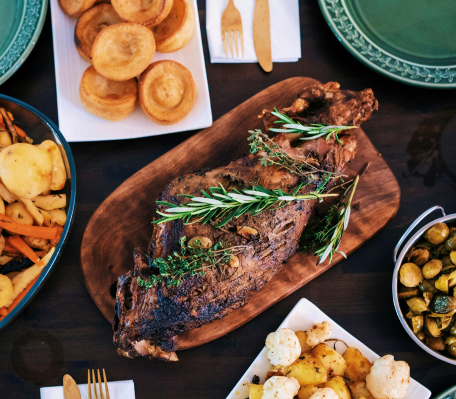
Holiday catering is one of the most misunderstood revenue streams in the restaurant business.
On the surface, it looks like easy money. Bigger orders. Corporate budgets. Built-in demand spikes around Thanksgiving, Christmas, New Year’s, office parties, and year-end celebrations.
Then reality hits.
Orders flood in all at once. Kitchens get stretched. Staffing becomes a juggling act. Margins get thinner than expected. Marketplaces quietly take their cut. And once the holidays pass, most of those customers vanish without a trace.
What looked like a windfall often feels more like controlled chaos.
Here’s the real problem.
Most restaurants treat holiday catering as a short-term sales rush. Something to survive. Something to squeeze in between dine-in service and staffing gaps.
But holiday catering is not just a seasonal spike.
It’s a high-pressure moment where new catering customers are actively looking for reliability, simplicity, and confidence. In other words, it’s the best chance all year to earn long-term catering relationships.
The restaurants that recognise this build systems, not just menus.
The ones that don’t repeat the same scramble every December.
This guide is about turning holiday catering from a stressful surge into a predictable, profitable growth lever.
What Makes Holiday Catering Different From Regular Catering?
Holiday catering behaves differently because the buyer, urgency, and risk all change at once.
Holiday catering buyers are rarely food enthusiasts. They are office managers, HR leads, executive assistants, and operations managers ordering on behalf of teams, companies, or families.
They are not browsing. They are solving a problem.
The stakes are higher. A mistake is visible. A late delivery becomes a story. This pressure shifts decision-making away from taste and toward reliability.
That’s why brand loyalty weakens during the holidays and why convenience wins.
Why Do Marketplaces Dominate Holiday Catering?
Marketplaces win during the holidays because they reduce friction when time and risk matter most.
Holiday catering orders are often placed late. A meeting gets scheduled. A budget gets approved. Suddenly, catering is needed next week or even next day.
Marketplaces already aggregate options, menus, availability, reviews, and logistics. Under time pressure, that convenience is hard to beat.
There is also a psychological factor. Buyers feel safer ordering through a marketplace because it feels like shared responsibility. Even if the restaurant executes perfectly, the platform feels like insurance.
Finally, marketplace rewards feel personal. Amazon gift cards and cash-like credits matter more to buyers than restaurant points they may never use.
What Is the Hidden Cost of Holiday Catering Through Marketplaces?
Holiday catering through marketplaces often looks profitable but quietly erodes margins.
A typical holiday catering order routed through a marketplace includes:
- 15-18% commission
- Payment processing fees
- Optional placement or visibility fees
On a $1,500 order, that can easily mean $250 to $300 disappears before food, labor, and holiday staffing premiums.
The bigger cost comes after the holidays.
The restaurant does not own the buyer relationship. There is no email address. No follow-up. No way to influence the next order.
You pay to fulfill the order and pay again to lose the customer.
Why Do Discounts Fail During Holiday Catering?
Discounts fail because holiday buyers are not price-sensitive. They are risk-sensitive.
During the holidays, buyers are not hunting for the cheapest option. They are trying to avoid failure.
A 10% discount does not make an order feel safer. It only makes your margins thinner during peak demand.
Discounts also do not create memory. Once the event is over, buyers remember whether the food arrived on time and whether the experience was smooth, not whether they saved a few dollars.
Why Rewards Work Better Than Discounts in Holiday Catering
Rewards work because they benefit the buyer personally, not the company.
In catering, the buyer is ordering for others. Free food does not help them. Restaurant points that expire do not help them.
Cash-like rewards do.
That’s why rewards redeemable through Amazon gift cards or similar options consistently outperform food-based loyalty programs in catering.
They feel personal, flexible, and immediate. And they give buyers a reason to remember the restaurant after the holidays.
When Should Restaurants Start Marketing Holiday Catering?
The best holiday catering programs start planning in early fall.
Most corporate catering orders are placed weeks in advance, not days. Waiting until December to market holiday catering is too late.
A strong timeline looks like this:
September to October
This is preparation mode.
Menus are finalized. Holiday packages are built. Pre-orders are open. Operations are tested using back-to-school events as dress rehearsals.
November
This is awareness mode.
Restaurants reach out to past catering customers and local businesses. Email and social channels focus on availability, reliability, and deadlines.
The week before Thanksgiving is one of the biggest catering surges of the year.
December
This is execution mode.
Scarcity messaging matters. Slots fill fast. Early December often contains the busiest single catering days of the season.
How Should Restaurants Design Holiday Catering Menus?
Holiday catering menus should prioritize scalability and decision simplicity.
The best menus offer:
- Tiered packages that simplify choice
- Family and office-sized bundles
- Add-ons like desserts and beverages to increase order value
Photography matters more than usual. Buyers want to imagine the food at their event, not in a sterile kitchen or boardroom.
What Operational Changes Matter Most for Holiday Catering?
Operational clarity determines whether holiday catering is profitable or chaotic.
Restaurants that succeed:
- Retrain staff on catering workflows before the rush
- Assign dedicated catering production roles
- Use software instead of manual calendars
- Incentivize managers and prep teams to maintain morale
Holiday catering exposes weak systems. Preparation is what keeps dine-in service from suffering.
How Can Restaurants Turn Holiday Catering Into Long-Term Revenue?
The real opportunity begins after the holidays end.
Holiday buyers are relieved once the event is over. That moment matters.
Restaurants should:
- Thank the buyer personally
- Offer a reward that benefits them, not the company
- Make it clear that ordering direct next time is easier and more rewarding
January and February are slower months. A post-holiday reward creates a natural reason to return.
What Are the Most Common Holiday Catering Mistakes?
- Treating holiday catering as one-time revenue
- Discounting during peak demand
- Ignoring the individual buyer
- Relying entirely on marketplaces without a conversion plan
Each mistake turns high-value orders into temporary wins.
The Bigger Lesson Behind Holiday Catering
Holiday catering is a stress test.
It shows how buyers behave under pressure, how operations handle scale, and whether a restaurant owns its customer relationships.
Restaurants that win long-term use the holidays to build systems, not just sales.
Those that don’t repeat the same scramble every year.
Frequently Asked Questions
What is holiday catering?
Holiday catering refers to large food orders placed for events during peak seasons like Thanksgiving, Christmas, New Year’s, and corporate year-end parties.
When should restaurants start planning for holiday catering?
Planning should begin in early fall. Most corporate holiday catering orders are placed weeks in advance, not days. Restaurants that wait until December usually miss the most profitable opportunities.
Why do marketplaces dominate holiday catering orders?
Marketplaces win during the holidays because they reduce friction and feel safer for buyers under pressure. They centralize options, handle logistics, and offer cash-like rewards that feel personal to the buyer.
Should restaurants stop using marketplaces during the holidays?
No. Marketplaces are useful for discovery, especially during peak demand. The mistake is relying on them without a plan to convert holiday buyers into direct customers afterward.
Do discounts work for holiday catering?
Not very well. Holiday catering buyers care more about reliability than price. Discounts reduce margins but rarely increase confidence or long-term loyalty.
What kind of rewards work best for holiday catering?
Personal, cash-like rewards work best. Buyers ordering on behalf of teams value rewards they can actually use, such as Amazon gift cards, far more than restaurant points or free food.
How can restaurants turn holiday catering into repeat business?
Follow up after the event, thank the buyer personally, and offer an incentive that benefits them directly. January and February are ideal times to re-engage holiday catering customers.
What is the biggest mistake restaurants make with holiday catering?
Treating it as a one-time revenue spike instead of a customer acquisition opportunity. Without follow-up and ownership, high-value holiday orders disappear after the season ends.

.png)
.svg)


.png)

